
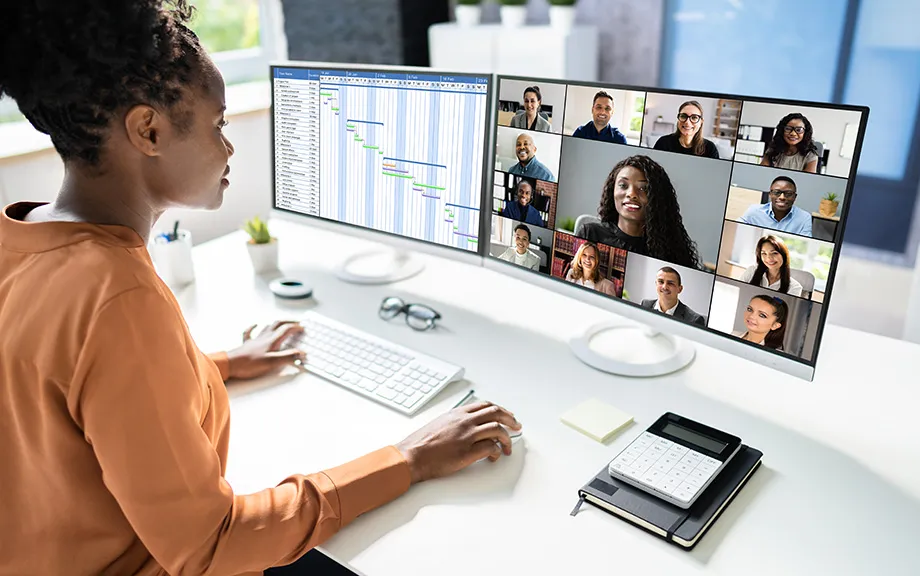
Not long ago, success followed a predictable formula. You commuted to an office, worked fixed hours, climbed a ladder, and measured progress by titles and promotions. Today, that definition is shifting fast. Remote work hasn’t just changed where people work—it’s changing how they evaluate productivity, balance, and fulfillment.
For many, success is no longer about being seen at a desk. It’s about autonomy, flexibility, and results.
The Rise of Location-Independent Work
Remote work didn’t begin overnight, but recent years accelerated its adoption. Advances in technology made it easier for teams to collaborate across time zones, and many companies realized productivity didn’t drop when employees worked from home.
As a result, people gained something previously rare: control over their environment. No commute, fewer interruptions, and more freedom to design workdays around peak energy levels. This shift allowed workers to focus more on output than appearance.
The ability to work from anywhere has also expanded opportunities. People can now access roles that once required relocation, opening doors for talent regardless of geography.
Redefining Productivity Outside the Office
In traditional offices, productivity was often measured by hours logged. Remote work flipped that model. Instead of asking, “Were you present?” the question became, “Did you deliver results?”
This change pushed workers to manage their time more intentionally. Without constant supervision, self-discipline and clear goals became essential. Many people discovered they were more productive when trusted to manage their own schedules.
Remote work also highlighted how inefficient some office norms were. Endless meetings, unnecessary interruptions, and rigid schedules often masked inefficiency rather than preventing it.
Work-Life Balance Becomes a Priority

One of the biggest reasons people value remote work is balance. Flexible schedules allow individuals to integrate work with personal responsibilities rather than constantly choosing one over the other.
Parents can attend school events. Caregivers can manage appointments. Others use saved commute time to exercise, learn new skills, or simply rest. This balance reduces burnout and improves overall well-being.
However, remote work also requires boundaries. Without clear limits, work can bleed into personal time. Successful remote workers learn to protect their energy as intentionally as they protect deadlines.
Skills Matter More Than Titles
As remote work grows, skills increasingly outweigh credentials and job titles. Companies focus on what you can do, not where you learned it. This shift has made continuous learning more valuable than ever.
Online education, self-paced courses, and skill-based training allow professionals to stay competitive. Platforms like The digi school support this approach by focusing on practical knowledge rather than traditional classroom structures.
In a remote-first world, adaptability becomes a core skill. Those who learn continuously are better positioned to evolve alongside changing job demands.
The Psychological Shift in Measuring Success
Remote work has also changed how people define personal success. Instead of chasing external validation, many focus on internal metrics: satisfaction, flexibility, and growth.
Success becomes less about status and more about sustainability. Can you maintain your lifestyle without burnout? Do you have time for relationships and personal interests? Are you still growing professionally?
This shift encourages a healthier relationship with work—one where achievement doesn’t come at the cost of well-being.
Challenges That Come With Freedom
Remote work isn’t without challenges. Isolation can creep in, especially for those who thrive on social interaction. Communication requires more clarity, and misunderstandings can happen without face-to-face cues.
Distractions at home can also affect focus. Remote workers must actively create environments that support concentration. Structure becomes self-imposed rather than enforced.
Despite these challenges, many find the trade-offs worthwhile. The key lies in developing routines, setting boundaries, and staying connected intentionally.
The Future of Work Is Hybrid and Flexible
Most experts agree that the future of work won’t be fully remote or fully office-based. Instead, flexibility will define success. Hybrid models allow people to choose where they work best while maintaining collaboration.
This flexibility empowers individuals to design careers that align with their lives rather than forcing life to revolve around work. Learning environments like The digi school mirror this flexibility, allowing people to develop skills on their own terms.
As work continues to evolve, success will no longer look the same for everyone—and that’s a good thing.
Choosing Your Own Definition of Success
Remote work has given people permission to question old assumptions. It has shown that productivity isn’t tied to location and that success doesn’t require constant visibility.
By focusing on results, balance, and growth, many are building careers that feel more aligned and sustainable. In the end, success isn’t about where you work—it’s about how well your work supports the life you want to live.