
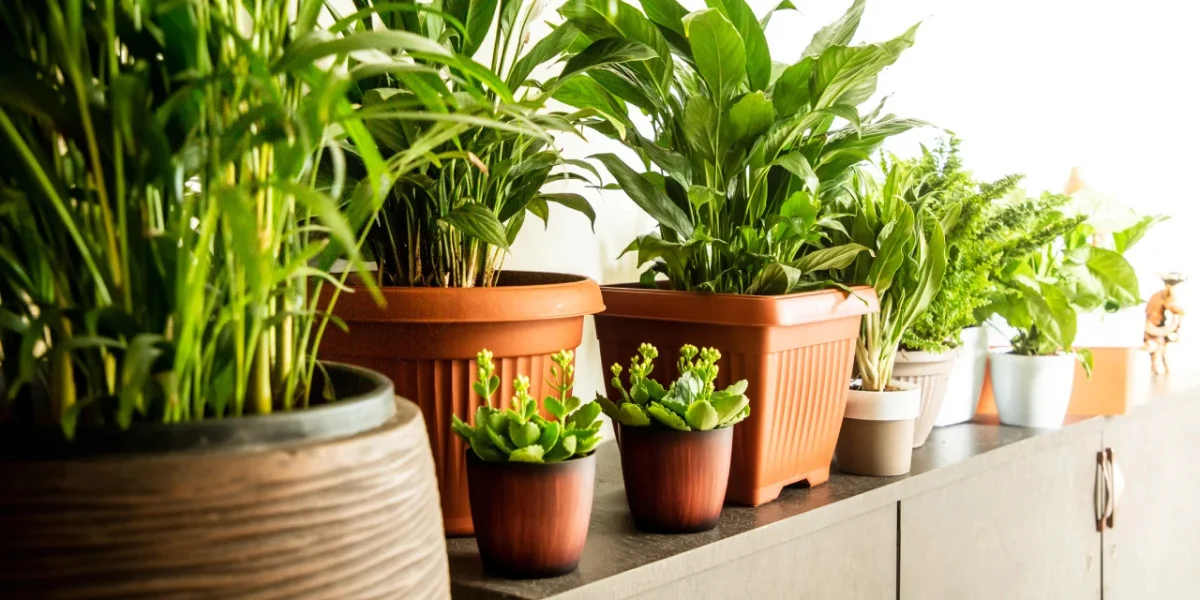
Hot outdoor spaces can pull moisture from containers quickly. Sunlight warms ceramic walls, while moving air speeds surface evaporation. For gardeners planning to buy plants and pots online, glazed options offer a useful moisture buffer. Their sealed finish limits water movement through ceramic walls. That matters most on balconies, terraces, and open patios. Still, glazing works best alongside suitable drainage and placement.
Glazed Ceramic Holds Moisture Longer
Porous clay allows moisture to pass through container walls. A glazed coating creates a sealed outer layer instead. Because of this barrier, less water escapes sideways. Root-zone moisture can therefore remain available for longer periods. The effect becomes useful during bright afternoon exposure.
A gardener may notice these practical changes:
- Soil loses moisture at a slower rate.
- Roots receive steadier access between watering sessions.
- Container walls stay less absorbent during hot weather.
- Plants experience fewer sudden dry periods.
Why Does Summer Sun Change Water Loss?
Direct sunlight raises the temperature around planted roots. Warm conditions increase evaporation from exposed soil surfaces. Wind can accelerate that process across open outdoor areas. Together, heat and airflow create faster moisture loss. A glazed wall reduces one route for water escape.
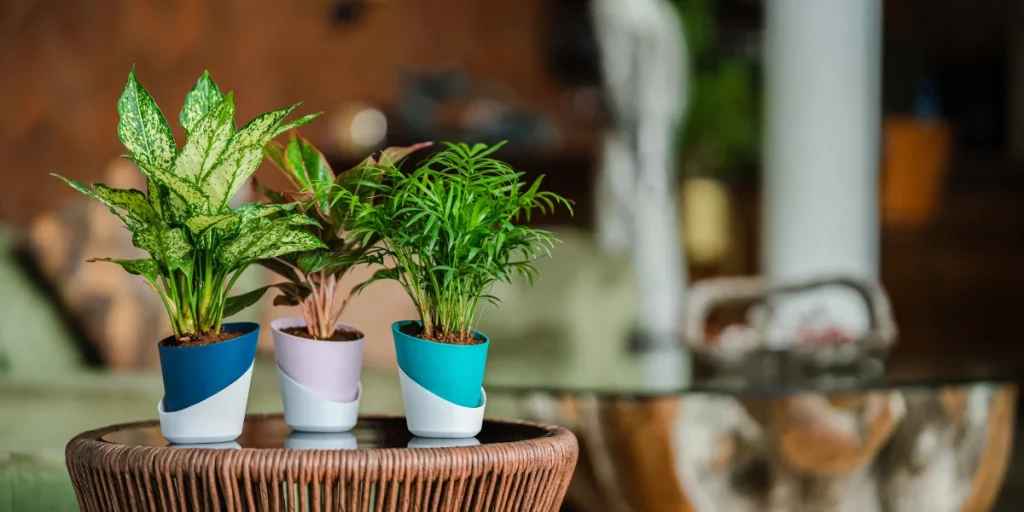
Yet glazing cannot prevent surface evaporation from soil. Mulch can help cover exposed compost and slow drying. Shaded afternoon positions can provide another useful layer. These small choices work together without complicating routine care.
Drainage Keeps Retained Moisture Useful
Holding water matters only when excess liquid can leave. Without drainage, saturated compost may remain around sensitive roots. That condition can reduce airflow and encourage root problems. Therefore, glazed containers need open drainage holes underneath.
When selecting a suitable vessel, gardeners can check:
- Drainage holes remain clear after regular watering.
- Container depth matches the plant’s root development.
- Saucers allow surplus liquid to drain away.
- Compost remains loose rather than densely packed.
Can Glazed Pots Ease Watering Demands?
For shoppers who buy plants and pots online, glazing can support steadier watering intervals. Larger containers also hold greater moisture reserves than shallow vessels. Plant choice still matters because thirsty species need frequent hydration.
Consider a sunny terrace with potted herbs. A glazed planter can retain moisture longer there. However, small herbs may still dry quickly during hot spells. Container volume, foliage size, and sunlight exposure all influence demand.
Where Should Glazed Containers Stand?
Placement changes how quickly container moisture disappears. Morning sunlight tends to provide gentler exposure than afternoon heat. A sheltered corner can also reduce drying caused by wind. These conditions allow glazing to perform more effectively.
A balanced outdoor arrangement might include:
- Morning light with afternoon protection nearby.
- Larger vessels for plants needing steadier moisture.
- Mulched surfaces around exposed compost.
- Sheltered positions during strong, dry winds.
Glazing Changes The Root-Zone Rhythm
A glazed surface quietly changes moisture movement around roots. Instead of losing water through porous ceramic, the container retains more. That difference can create a wider gap between watering sessions. More importantly, gardeners gain greater control over daily moisture changes.
The useful insight sits in that timing. When afternoon heat strikes, a sealed ceramic wall gives roots another moisture reserve. A few extra hours can matter before the next watering.