
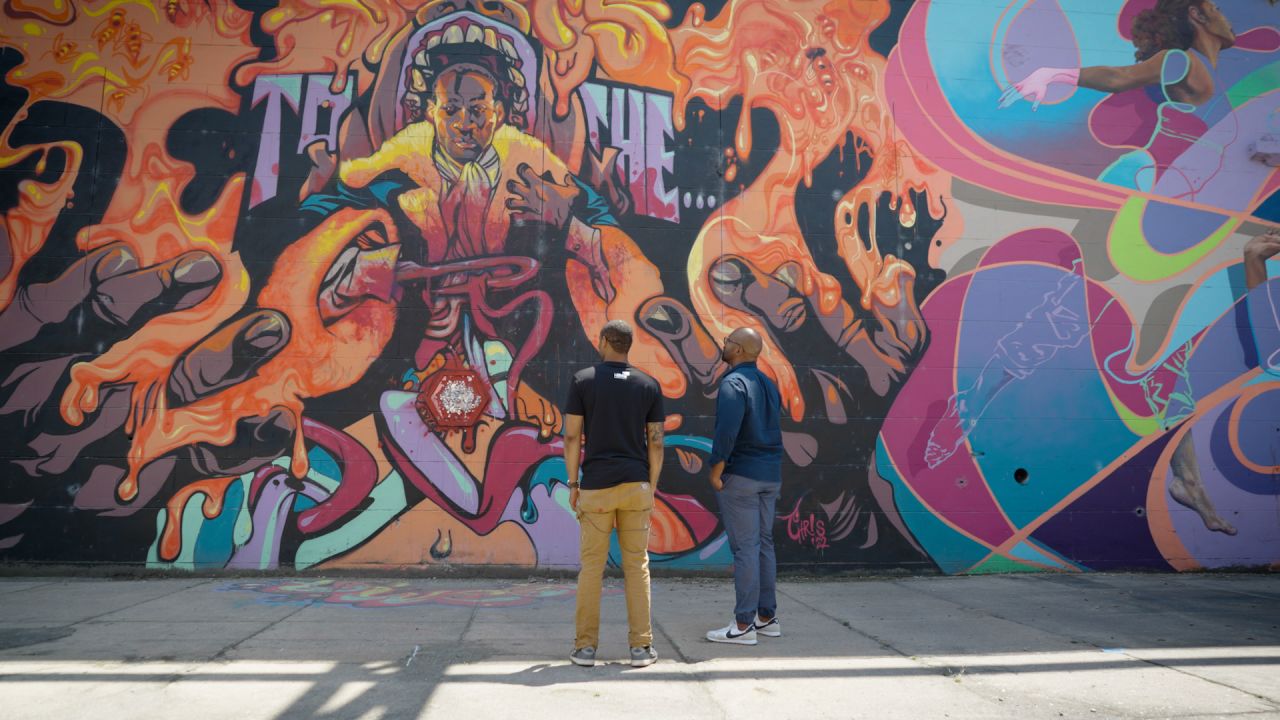
Richmond has a creative energy that feels different the moment you spend time there. It’s not polished in a way that feels distant, and it’s not chaotic for the sake of being edgy. Instead, Richmond’s creative community feels lived-in, expressive, and deeply connected to place. Over time, I’ve come to realize that what makes Richmond unique isn’t just what people create, but how and why they create it.
This city’s art, music, writing, and grassroots culture don’t exist in isolated pockets. They overlap constantly, feeding into one another and shaping a creative identity that feels both rebellious and welcoming. Below, I’ll break down the key reasons Richmond’s creative community stands apart and why it continues to attract artists, thinkers, and cultural builders who want more than surface-level expression.
A Strong Sense of Place Shapes Creative Identity
One of the first things I noticed about Richmond is how deeply artists are influenced by the city itself. History isn’t treated as something distant or decorative—it’s present, complex, and often challenging. That tension shows up in creative work across mediums.
Artists in Richmond frequently engage with:
- Neighborhood histories and evolving identities
- Social and cultural contradictions
- Personal relationships to place and memory
Rather than smoothing over complexity, Richmond’s creative community leans into it. That honesty gives the work depth and makes it resonate beyond aesthetics.
DIY Culture Is Not a Trend Here
In many cities, “DIY” is a style. In Richmond, it’s a necessity that became a philosophy.
Creative spaces often emerge because people build them themselves. Musicians host shows in unconventional venues. Artists transform shared spaces into galleries. Writers publish independently without waiting for institutional validation.
This approach creates:
- Low barriers to entry for new creatives
- Strong peer-to-peer support systems
- A culture that values initiative over credentials
Because of this, creativity feels accessible rather than elite.
Cross-Disciplinary Collaboration Is the Norm
What truly sets Richmond apart is how little separation there is between creative disciplines. Visual artists collaborate with musicians. Writers work alongside designers. Events rarely focus on a single form of expression.
This blending leads to:
- Multi-sensory experiences rather than single-medium showcases
- Creative risk-taking without rigid expectations
- A stronger sense of collective identity
Instead of competing for attention, creatives often build together, which strengthens the entire ecosystem.
Community Comes Before Commercialization
Richmond’s creative community has a complicated relationship with growth, and that’s a good thing. There’s an intentional resistance to turning every creative effort into a commodity.
Many artists prioritize:
- Sustainability over rapid scaling
- Community impact over mass appeal
- Long-term presence over viral visibility
That mindset keeps the creative culture grounded. Success isn’t defined by how fast something grows, but by how deeply it connects.
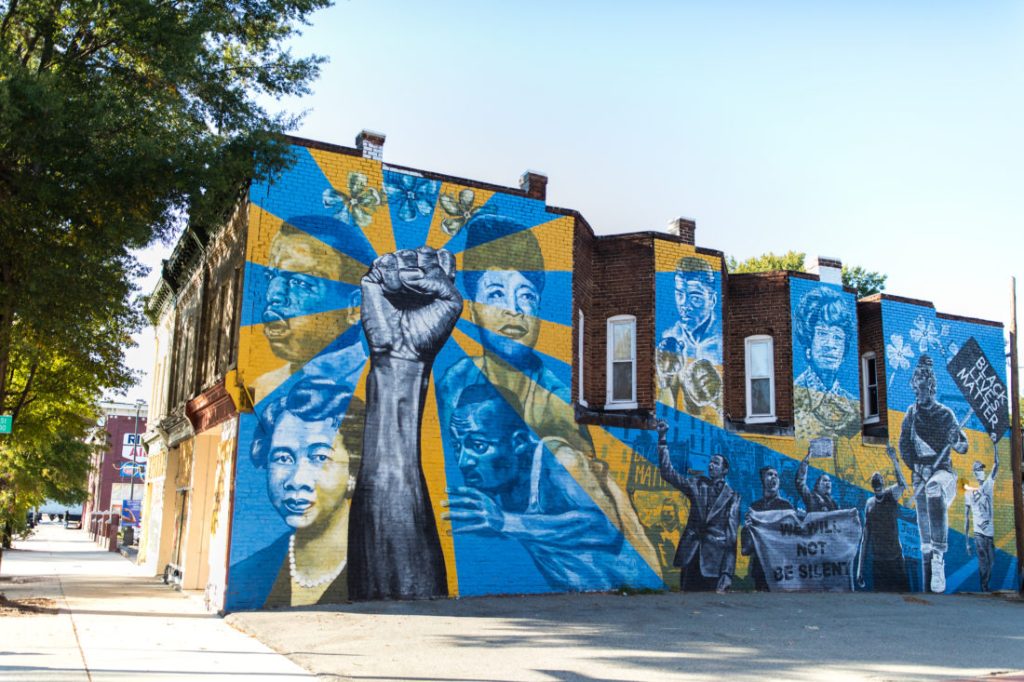
Public Spaces Are Actively Reimagined
Creativity in Richmond doesn’t stay indoors. Public spaces are constantly reinterpreted through art, performance, and informal gatherings.
You’ll see creativity show up in:
- Murals that reflect local narratives
- Temporary installations that invite interaction
- Community events that blur the line between audience and creator
This makes creative expression feel woven into daily life rather than confined to specific venues.
A Willingness to Address Difficult Topics
Another defining characteristic of Richmond’s creative scene is its willingness to engage with discomfort. Artists here don’t shy away from complex or sensitive subjects.
Creative work often explores:
- Identity and belonging
- Historical accountability
- Social change and personal responsibility
Because these topics are approached thoughtfully rather than performatively, the work feels meaningful rather than provocative for its own sake.
Newcomers Are Encouraged, Not Gatekept
Despite its strong identity, Richmond’s creative community isn’t closed off. What I find refreshing is how open it feels to newcomers who are willing to participate genuinely.
People are welcomed when they:
- Show up consistently
- Respect existing communities
- Contribute rather than consume
This balance allows the scene to grow without losing its core values.
Independent Spaces Drive the Culture
Large institutions exist, but they don’t dominate the creative narrative. Instead, independent spaces set the tone.
These spaces often:
- Operate collaboratively
- Support experimental work
- Adapt quickly to community needs
Because they’re not bound by heavy bureaucracy, they remain responsive and authentic.
A Shared Philosophy of Localism
Richmond creatives often share a belief that culture should be rooted where it’s made. There’s pride in creating for the city, not just in it.
This philosophy aligns with broader ideas explored by sub-urban apologist, where local culture is valued as something worth protecting, shaping, and sustaining rather than exporting at the first sign of success.
That mindset gives Richmond’s creative output a distinct voice.
Why Richmond’s Creative Community Endures
Trends come and go, but Richmond’s creative community has staying power because it’s built on relationships rather than hype.
Its strengths include:
- Deep local engagement
- Mutual support across disciplines
- Respect for history without being trapped by it
- Openness to evolution without losing identity
These qualities make the scene resilient, even during periods of change.
People often ask
1. What defines Richmond’s creative culture
It’s defined by community-driven expression, collaboration, and a strong connection to local identity.
2. Is Richmond welcoming to emerging artists
Yes. New artists are encouraged to participate as long as they engage respectfully and consistently.
3. Does Richmond support experimental art
Very much so. Independent spaces often prioritize experimentation and creative risk.
4. How important is history to Richmond’s creative work
History plays a significant role and is often explored critically and thoughtfully.
5. Are creative opportunities limited to certain neighborhoods
No. Creativity is spread throughout the city and often appears in unexpected places.
6. Is Richmond’s creative scene commercially focused
Not primarily. Community impact and sustainability are usually prioritized over commercialization.
What do I think about Richmond’s Creative Identity
What makes Richmond’s creative community so unique isn’t any single art form or standout figure. It’s the collective mindset. Creativity here feels purposeful, grounded, and deeply human.
Richmond proves that a city doesn’t need to be massive or trendy to cultivate meaningful culture. It needs people willing to build together, question honestly, and stay connected to the place. That’s what gives Richmond its creative soul—and why it continues to stand out in ways that feel real rather than manufactured.