
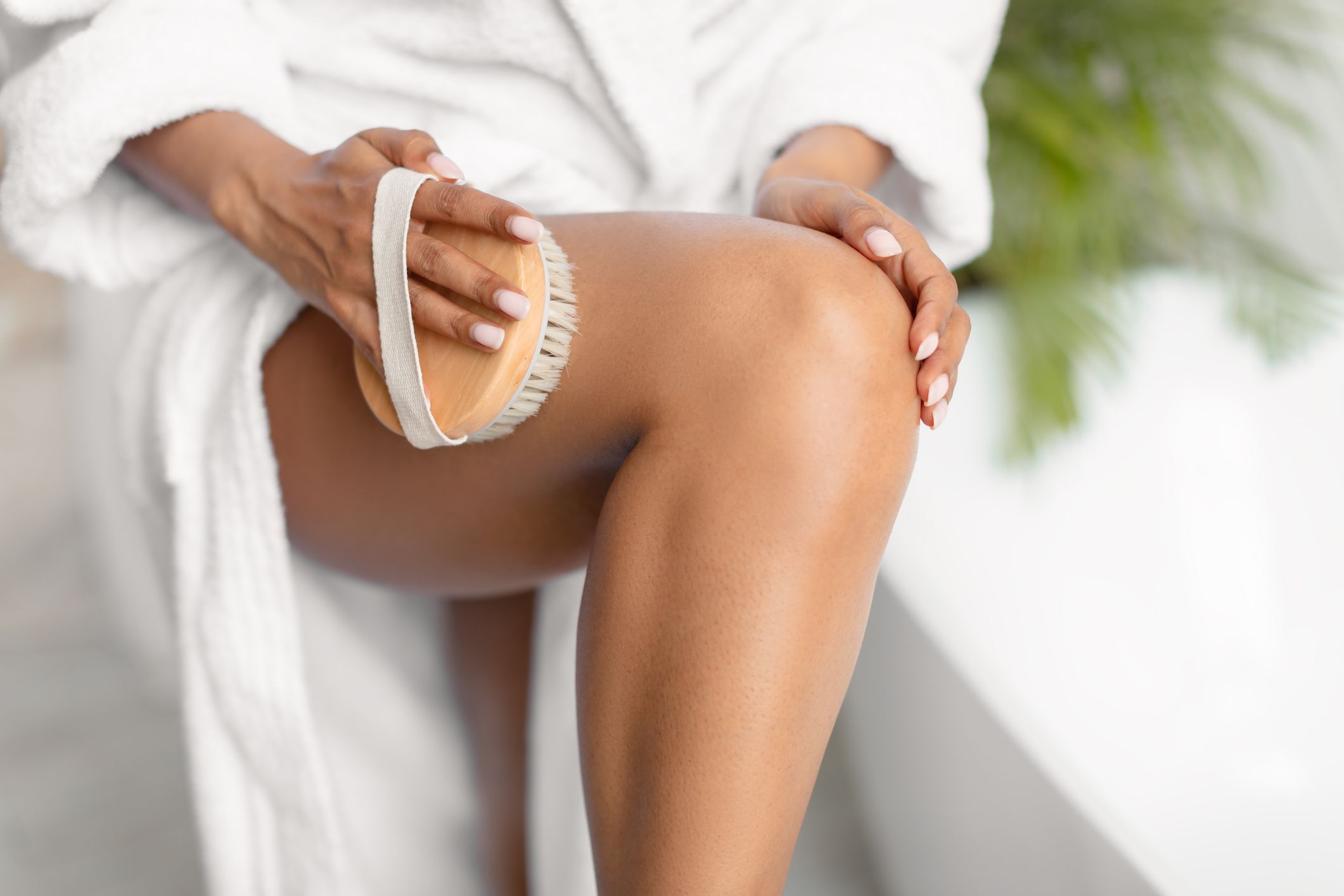
I’ll be honest—when I first heard about dry brushing, I thought it was just another wellness trend that would fade away. Brushing dry skin before a shower sounded oddly simple, almost too basic to deliver real benefits. But after trying it consistently, I realized why this age-old practice has stuck around for centuries.
Dry brushing isn’t about instant transformation. It’s about subtle, cumulative improvements—better skin texture, improved circulation, and a heightened sense of body awareness. Over time, those small changes add up to noticeable benefits for both skin health and overall well-being.
In this article, I’ll break down what dry brushing actually is, how it works, why it benefits circulation and skin health, and how to do it correctly without damaging your skin.
What Is Dry Brushing?
Dry brushing is exactly what it sounds like—brushing your skin with a dry, stiff-bristled brush, usually before bathing. The technique has roots in Ayurvedic and traditional wellness practices and has been used for centuries as a form of physical stimulation and exfoliation.
The goal isn’t to scrub harshly but to gently stimulate the skin and underlying systems through rhythmic, directional brushing.
How Dry Brushing Works on the Body
Dry brushing works on multiple levels at once. It doesn’t just affect the surface of your skin—it interacts with circulation, lymphatic flow, and sensory nerves.
Mechanical Exfoliation
As you brush, dead skin cells are loosened and removed. This:
- Improves skin texture
- Prevents clogged pores
- Enhances natural skin renewal
Unlike chemical exfoliants, dry brushing relies on physical stimulation rather than ingredients.
Stimulation of Blood Flow
Brushing encourages blood movement toward the surface of the skin. This increased circulation:
- Delivers oxygen and nutrients more efficiently
- Supports skin cell regeneration
- Creates a temporary warming and energizing effect
Lymphatic Support
The lymphatic system relies on movement—not a pump like the heart—to circulate fluids. Dry brushing can help encourage lymph flow, supporting detoxification and immune health.
Skin Health Benefits of Dry Brushing
One of the most noticeable benefits of dry brushing is how it affects the skin over time.
Smoother, Softer Skin
Consistent dry brushing helps remove rough, flaky buildup. Many people notice:
- Reduced dry patches
- Smoother texture
- More even-looking skin tone
This makes moisturizers absorb more effectively after bathing.
Improved Skin Appearance
While dry brushing isn’t a cure for skin conditions, it may help improve:
- Dullness
- Mild uneven texture
- Temporary puffiness
By increasing circulation, skin can appear more refreshed and healthy.
Supporting Natural Skin Renewal
Skin naturally sheds old cells, but that process slows with age. Dry brushing gently supports this cycle, helping skin renew itself more efficiently.
Circulation Benefits You Can Feel
Dry brushing doesn’t just look good—it feels energizing.
Increased Blood Flow
The brushing motion signals blood vessels near the surface to dilate. This:
- Improves nutrient delivery
- Helps warm the body
- Creates a natural energy boost
Many people find dry brushing more invigorating than caffeine in the morning.
Reduced Heaviness and Fatigue
Improved circulation can help reduce feelings of heaviness, especially in the legs. While it won’t replace movement or exercise, it complements an active lifestyle well.
Better Skin Responsiveness
Improved circulation often makes skin more responsive to temperature changes, touch, and hydration—signs of healthy blood flow.
Dry Brushing and the Lymphatic System
The lymphatic system plays a key role in immune health and waste removal. Unlike blood circulation, lymph relies on movement and muscle contraction.
How Dry Brushing Supports Lymph Flow
When done correctly, dry brushing follows the direction of lymphatic drainage:
- Toward lymph nodes
- Toward the heart
This gentle stimulation may help reduce fluid buildup and support detox pathways.
Why Direction Matters
Brushing in the wrong direction or with excessive pressure can irritate the skin without offering benefits. Technique matters more than intensity.
Mental and Sensory Benefits
Dry brushing isn’t just physical—it’s sensory.
Increased Body Awareness
Taking a few minutes to connect with your body:
- Encourages mindfulness
- Improves self-care habits
- Helps you notice tension or sensitivity early
Stress Reduction Through Routine
Simple rituals create structure. When dry brushing becomes part of your routine, it signals a transition—either into the day or into rest.
Many holistic wellness philosophies, including those highlighted by Asian Health Secrets, emphasize small daily practices that support long-term balance rather than dramatic interventions.
How to Dry Brush Correctly (Step-by-Step)
Doing it right makes all the difference.
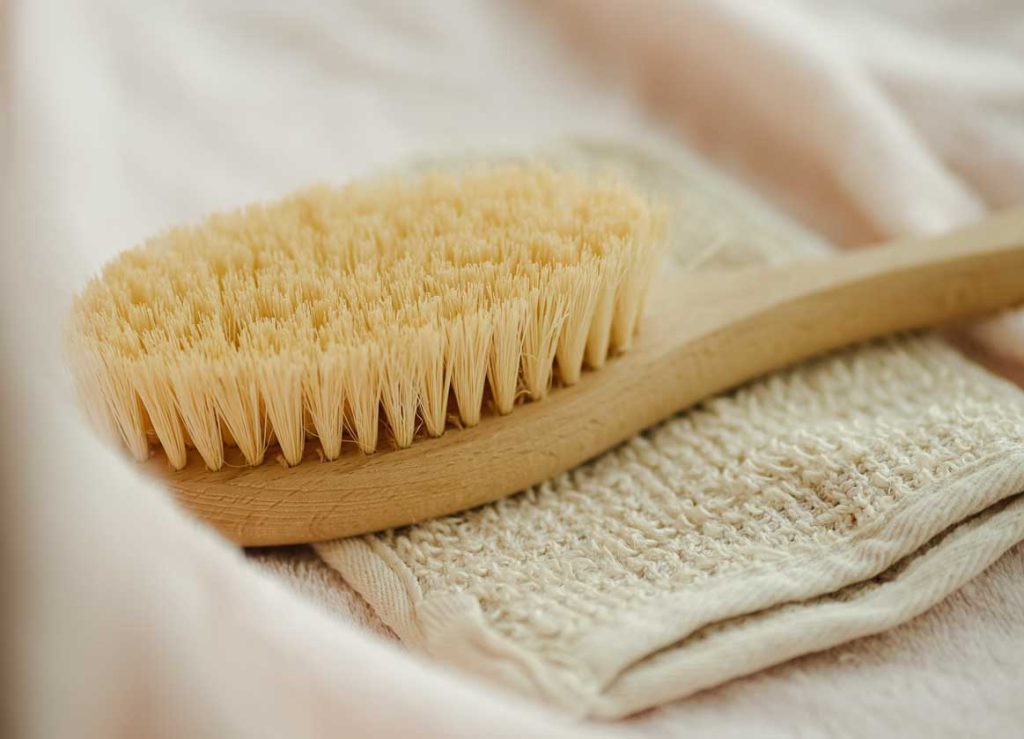
Choose the Right Brush
- Natural bristles
- Medium firmness (not too stiff)
- Long handle for hard-to-reach areas
Brush on Dry Skin
- Before showering
- Skin should be completely dry
Follow the Correct Direction
- Start at the feet
- Brush upward toward the heart
- Use long, gentle strokes
- Move from limbs toward the torso
Avoid Sensitive Areas
Do not dry brush:
- Face (unless using a very soft facial brush)
- Broken skin
- Rashes or inflamed areas
Shower and Moisturize After
- Rinse off loosened skin cells
- Apply moisturizer while the skin is slightly damp
How Often Should You Dry Brush?
Consistency matters more than frequency.
- Beginners: 2–3 times per week
- Regular practice: 3–5 times per week
- Duration: 5–10 minutes per session
Overdoing it can irritate, so listen to your skin.
Common Mistakes to Avoid
Even gentle practices can backfire if done incorrectly.
Using Too Much Pressure
Dry brushing should never hurt. Redness that fades quickly is normal; lingering irritation is not.
Brushing Too Often
Daily brushing may be too much for sensitive skin.
Ignoring Hygiene
Clean your brush regularly to prevent bacteria buildup.
Who Should Be Cautious With Dry Brushing?
Dry brushing is generally safe, but some people should be careful:
- Those with eczema or psoriasis
- Extremely sensitive skin
- Circulatory disorders (consult a professional)
Always start gently and adjust based on how your skin reacts.
Dry Brushing as Part of a Holistic Routine
Dry brushing works best when combined with other healthy habits:
- Adequate hydration
- Balanced nutrition
- Regular movement
- Quality sleep
It’s not a standalone fix—but it’s a powerful addition to a wellness-focused lifestyle.
FAQs About Dry Brushing
1. Does dry brushing really improve circulation?
Yes. The brushing motion stimulates blood flow near the surface of the skin, which can improve circulation temporarily and support overall skin health.
2. Can dry brushing help with cellulite?
Dry brushing may temporarily improve the appearance of skin by boosting circulation, but it does not permanently eliminate cellulite.
3. Is dry brushing safe for sensitive skin?
It can be, but only with very gentle pressure and less frequent sessions. Patch testing is recommended.
4. Should dry brushing be done before or after showering?
Dry brushing should always be done before showering on completely dry skin.
5. How long before results are noticeable?
Many people notice smoother skin within a few weeks of consistent practice.
6. Can dry brushing replace exfoliating products?
It can reduce the need for chemical exfoliants, but it doesn’t replace all skincare products.
A Simple Habit With Lasting Benefits
Dry brushing is one of those practices that proves wellness doesn’t have to be complicated. It’s inexpensive, accessible, and easy to incorporate into daily life. When done consistently and gently, it supports skin health, circulation, and mindful self-care.
You won’t notice dramatic overnight changes—but over time, the benefits become clear. And sometimes, the simplest rituals are the ones that last the longest.