
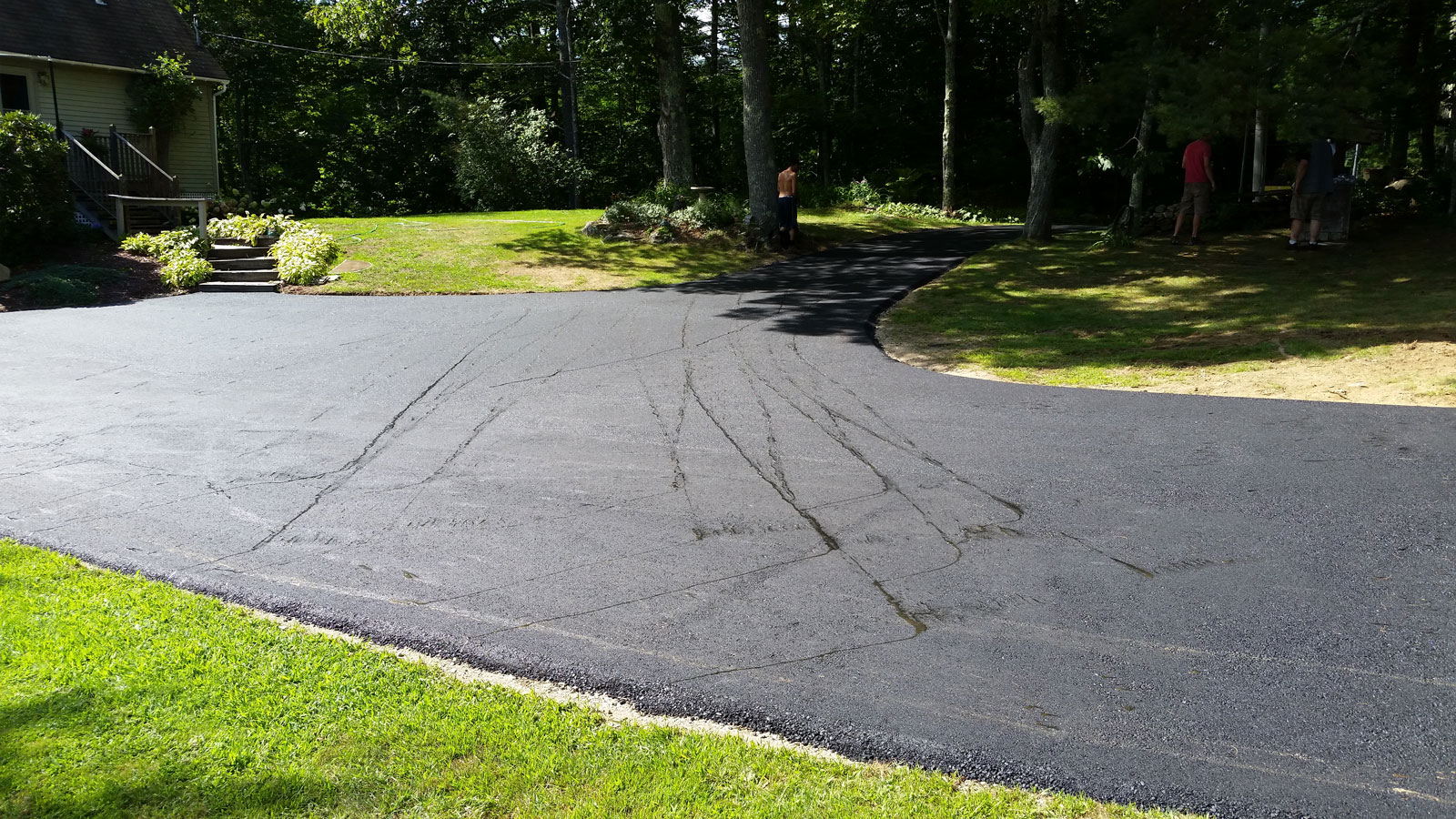
Paved surfaces rarely give clear warnings. They just slowly change. One day the color feels dull. Another day the texture feels rougher under shoes or tires. Nothing feels broken, so it gets pushed aside. That delay is where most damage grows. Surfaces respond better to calm, early care than rushed fixes later. When people talk about long term protection, the Sealcoating Company Chippewa Valley Wisconsin often comes up naturally in conversations focused on keeping things steady rather than reacting too late.
Daily exposure factors that slowly weaken pavement
Most damage comes from repetition, not impact. Pavement gets pushed a little every day until it cannot recover the same way.
Common pressure points include:
• Long hours of direct sunlight
• Water sitting in shallow areas
• Turning wheels that stress the same spots
• Oil and dirt that break down surface texture
• Seasonal temperature shifts that tighten and relax the surface
None of these look serious alone. Together, they shorten surface life faster than expected.
Preparing surfaces for smooth even coverage
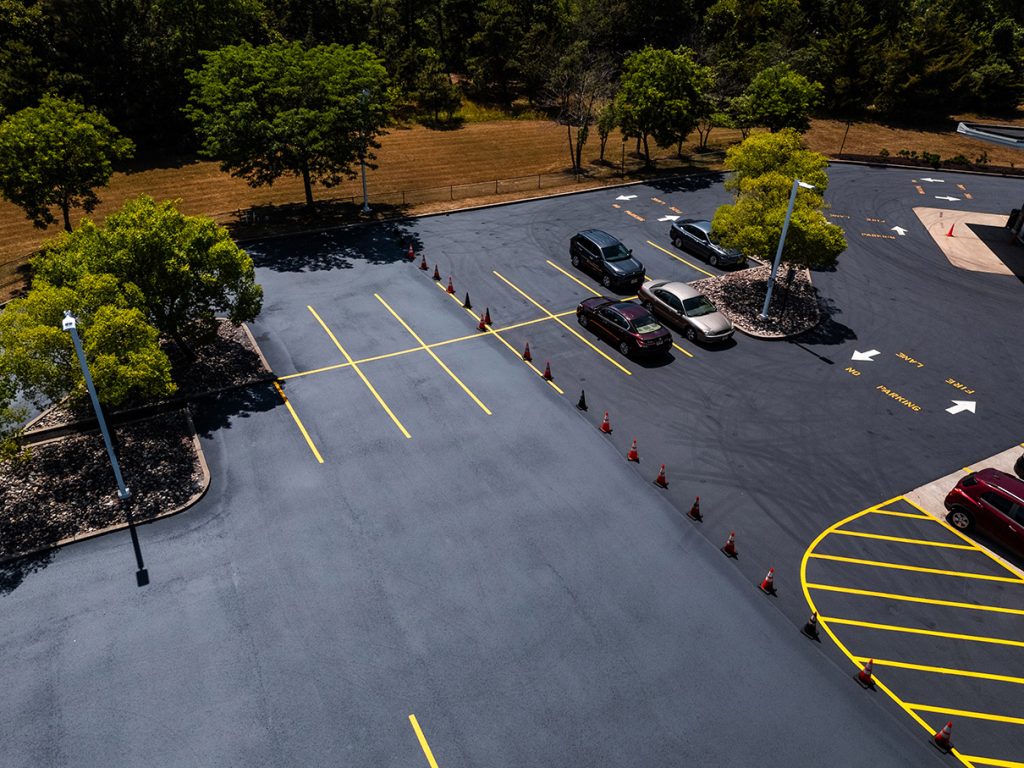
Preparation decides whether sealing lasts or fades fast. A surface needs time to breathe before it is covered. Dirt traps moisture. Moisture weakens bonding. Cracks that are ignored do not disappear under sealant. They keep growing underneath. When preparation feels rushed, results rarely hold. When the surface is clean, dry, and stable, coverage spreads evenly and stays in place longer. That patience shows months later, not immediately.
The balance between protection and appearance
Appearance improves with sealing, but that should be a side effect, not the goal. A dark surface that lacks protection still breaks down. The real balance means the pavement stays smooth under use and consistent in feel. When protection comes first, appearance follows naturally. Surfaces that age evenly always look better than ones that were rushed for visual impact.
Scheduling care to reduce future surface damage
Timing affects everything. Sealing after damage spreads limits results. Sealing too early wastes useful surface life. The right moment usually sits somewhere in between, guided by usage rather than looks. Lower traffic periods allow proper curing without pressure. When care fits into the natural rhythm of use, disruption stays low and results stay strong.
Keeping paved areas reliable for years to come
Reliability does not come from one big fix. It comes from habits. Regular checks. Light cleaning. Timely sealing. Just before closing, it is worth saying that the Sealcoating Company Chippewa Valley Wisconsin plays the biggest role when surface care becomes routine rather than reactive. That approach keeps pavement steady, easier to manage, and far less demanding over time.
Quick FAQ
How often should sealing be done?
That depends on traffic and exposure. Heavier use usually means shorter intervals, while lighter areas can wait longer.
Will sealing fix existing cracks?
Sealing slows future damage but does not reverse structural cracks. Early care keeps those cracks from spreading.
Is sealing worth it long term?
Yes. Preventive care reduces repair cycles and helps surfaces last longer overall.