
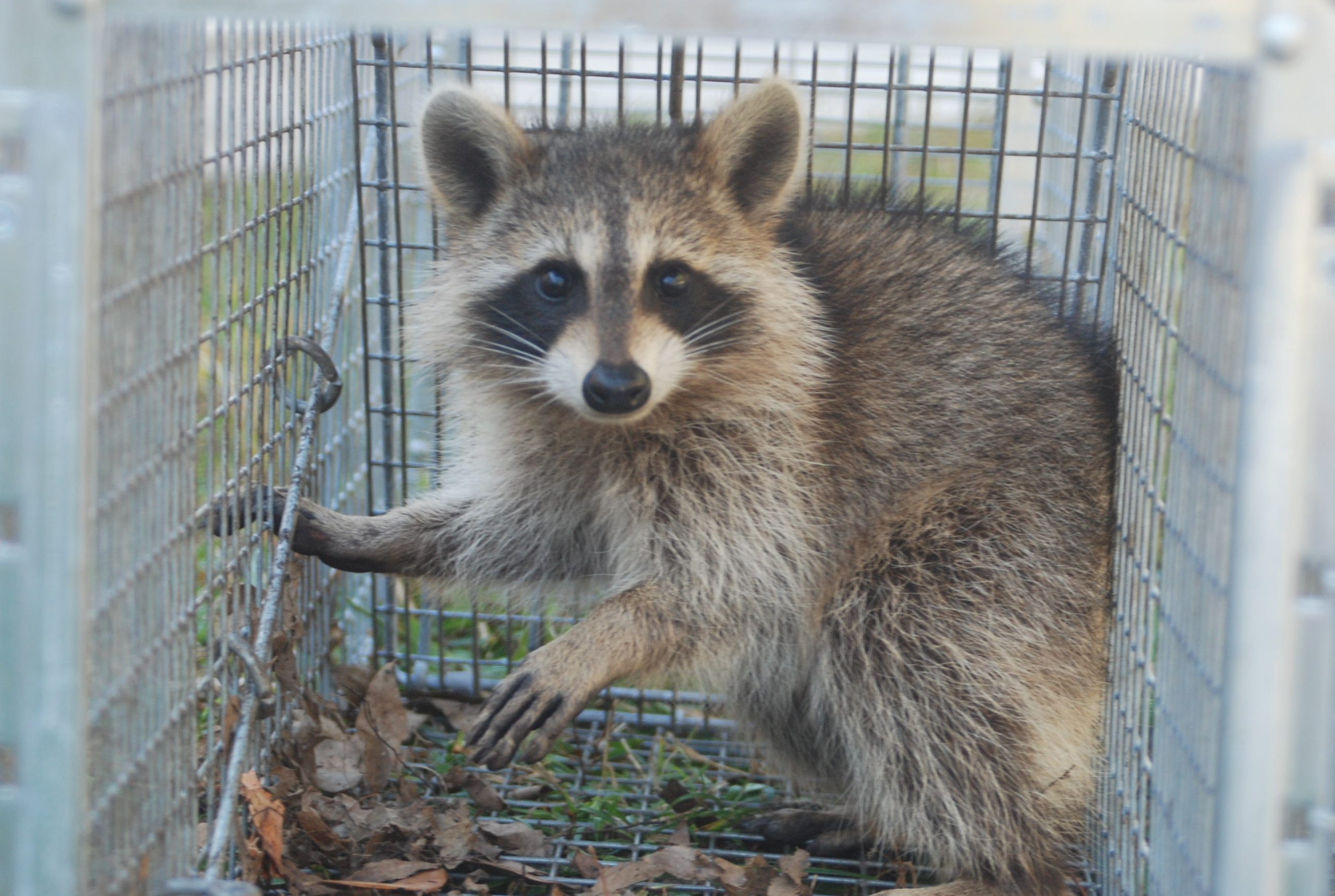
Quiet scratching within walls often signals hidden nesting that weakens structures and spreads debris. Property owners worry when sounds grow louder, and signs of intrusion increase each night. Wildlife removal becomes necessary once entry gaps allow wildlife to settle and multiply in tight cavities. Professional guidance reduces risk and limits repeat invasion through careful sealing methods, encouraging homeowners to act confidently and Visit site for trusted assistance.
Structural Signs Inside Walls
Faint tapping and dusty residue suggest wildlife activity concealed behind panels. Small cracks widen as creatures push through weak barriers seeking shelter. Moisture gathers near nests, which slowly stains nearby surfaces. Ignoring these signals allows wildlife to extend tunnels and increase repair costs over time.
Risks From Hidden Colonies
Clusters living inside cavities generate heat and trapped air that harm materials. Waste buildup attracts insects, which further damage wood supports. Persistent movement disturbs wiring and raises safety concerns. When wildlife remains unchecked, internal systems face gradual failure that demands complex restoration.
Inspection And Entry Control
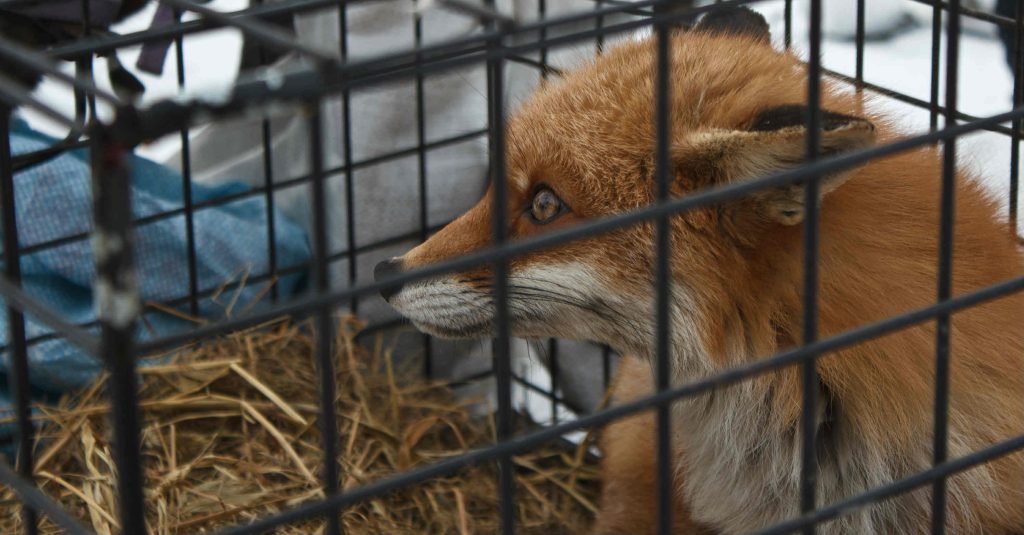
Thorough assessment reveals points where wildlife slipped through aging seams. Careful tracing of droppings highlights travel paths within narrow channels. Gentle removal methods reduce panic and prevent sudden scattering. Secure closure blocks wildlife return while maintaining airflow needed for healthy interiors, encouraging responsible follow-up and confident next steps through Visit site.
Protective Cleanup Measures
After extraction, lingering residue continues to threaten wall stability and hygiene. Safe clearing removes nesting fibers that hold moisture against beams. Neutral treatment reduces odor that may lure other wildlife searching for space. Detailed review confirms no fragments remain hidden in corners.
Ongoing Prevention Planning
Long-term planning limits attraction and discourages wildlife from testing barriers again. Simple habits support steady protection and preserve structural strength.
- Regular checks maintain barriers using durable layers guarding interior cavities
- Sealed openings discourage creatures seeking warmth within sheltered wall spaces
- Clean surroundings reduce scent trails guiding animals toward vulnerable building edges
- Reinforced corners support panels resisting pressure from curious roaming wildlife
- Routine observation encourages a quick response before nesting expands into deeper sections
Strong maintenance choices guard buildings from secret nesting and steady decay. Owners who act quickly secure surfaces and protect internal layers from spreading harm. Thoughtful sealing paired with careful clearing keeps structures reliable for many seasons.
FAQ
How can hidden wall nests affect structural safety over extended periods?
They weaken supports slowly and invite moisture that damages the inner layers.
What warning sounds suggest animals living within enclosed wall spaces?
Scratching, tapping, and soft thuds often signal concealed nesting activity.
Why is early professional action important for concealed colony problems?
Quick response limits the spread, reduces repairs, and protects surrounding materials.