
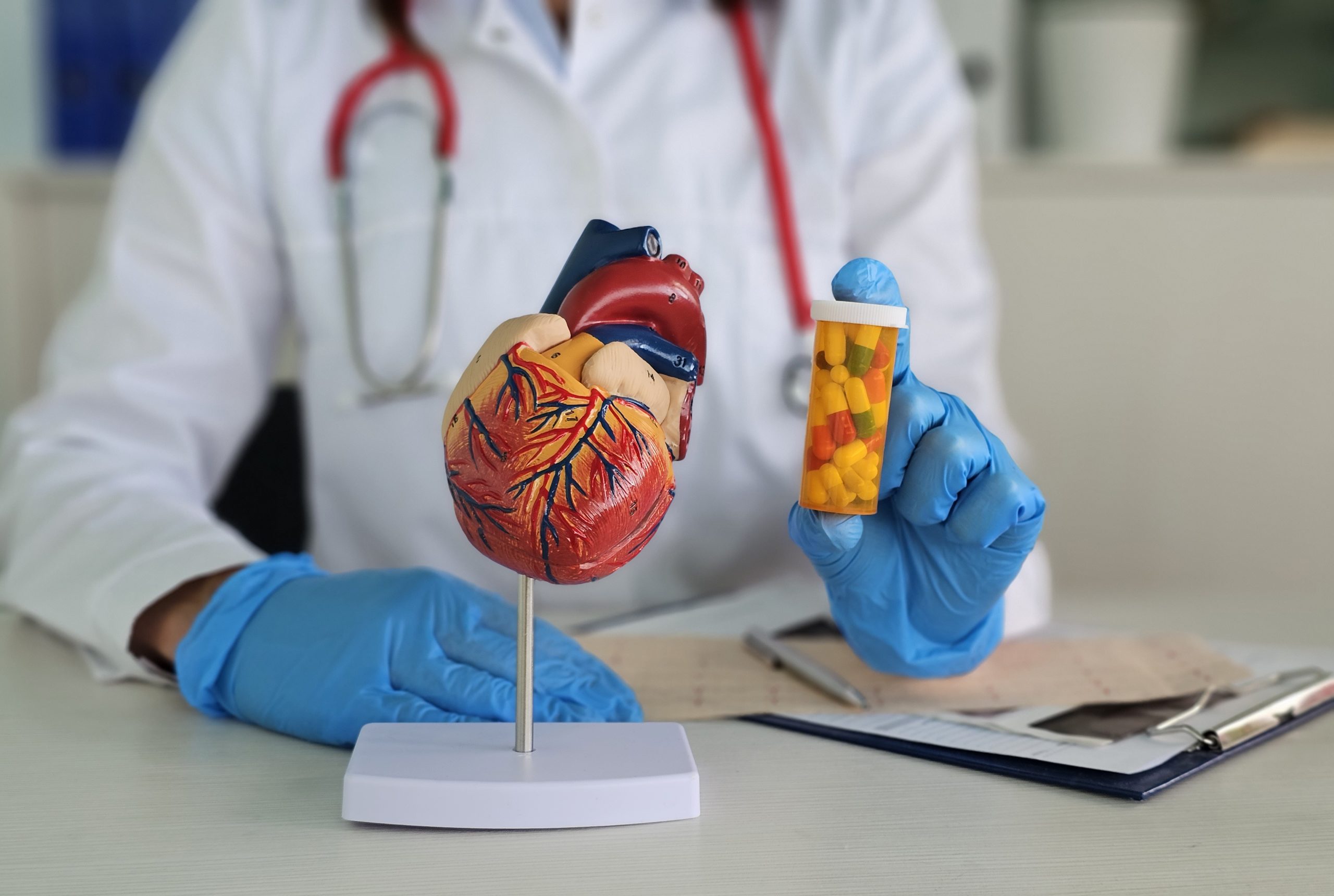
Cardiovascular care continues progressing with refined therapeutic techniques today. Patients receive focused interventions that enhance long term cardiac efficiency. Integrated services such as coastline endocrinology contribute valuable perspectives in treatment planning. These advancements encourage steady observation and improved daily living.
Modern Strategies Strengthening Cardiac Function
Contemporary methods aim to improve blood flow while easing pressure. These strategies help maintain balanced performance across extended timeframes. Specialists combine evaluation tools and procedures for dependable outcomes. Ongoing improvements ensure safer experiences and smoother recovery periods.
Accurate Tracking Systems Enhancing Results
Precise tracking supports informed decisions during each treatment stage. Advanced tools capture subtle changes that guide clinical adjustments. This detailed observation strengthens safety and long term effectiveness.
- Wearable sensors assist early detection consistently
- Imaging systems reveal intricate vascular conditions
- Data platforms support tailored treatment modifications
- Remote tools maintain ongoing patient supervision
Care teams depend on this information for stable management. Patients face fewer interruptions through early intervention methods. Gradually, consistency improves through continuous monitoring efforts.
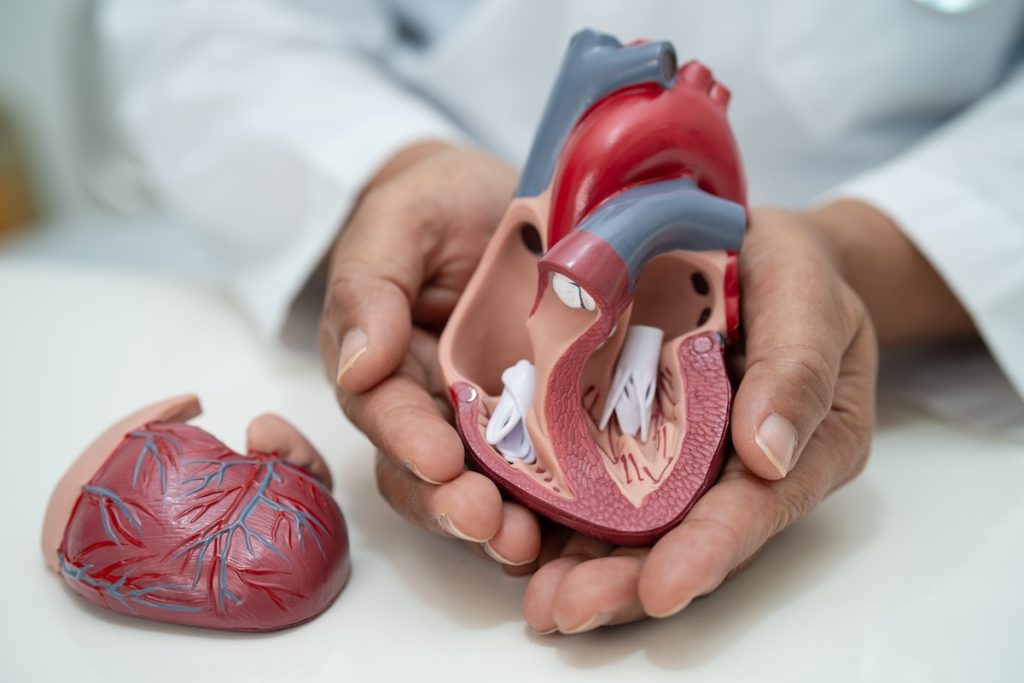
How minimally invasive procedures aid healing?
Minimally invasive procedures limit physical stress during cardiac interventions significantly. Smaller entry points allow faster recovery and reduced discomfort. Patients often return to normal routines with fewer setbacks. Healing becomes smoother while preserving treatment efficiency.
Refined Medication Plans Supporting Circulation
Medication strategies focus on improving circulation and stabilizing heart rhythms effectively. Adjustments reflect individual responses for better long term consistency. Evidence based combinations support safer and more predictable results.
- Personalized prescriptions suit individual body responses
- Combined therapies improve outcomes without added risks
- Frequent reviews maintain medication effectiveness consistently
- Adjustments reduce unwanted reactions while preserving stability
Medical teams review progress regularly through structured evaluations. Patients benefit from improved balance across treatment cycles. This method supports manageable and consistent daily experiences.
How daily habits influence treatment progress?
Daily habits play a meaningful role in supporting cardiovascular care efforts. Structured routines and mindful choices gradually enhance circulation. Guidance may involve support programs connected with coastline endocrinology services. Improvements become noticeable through steady dedication and regular practice.
Technological Devices Improving Treatment Precision
Technological devices continue improving accuracy in cardiovascular procedures today. Modern equipment reduces procedural risks while enhancing precision. Integration with tracking systems supports continuous performance evaluation.
These tools also strengthen communication across medical teams efficiently. Instant data sharing improves coordination during different treatment stages. Patients receive more responsive and informed care experiences overall.
How structured plans ensure steady outcomes?
Structured plans maintain balance throughout various treatment stages effectively. Regular checkups confirm therapies remain suitable for patient conditions. Adjustments occur smoothly without disturbing established routines. Consistency builds reassurance and supports gradual improvement over time.
Sustained Care Through Coordinated Medical Support
Collaborative care ensures each treatment step remains organized and effective. Coordination among specialists allows smoother transitions during recovery phases. Patients feel more confident through clear communication and guidance. Over time, organized care supports stronger cardiovascular stability and resilience.