
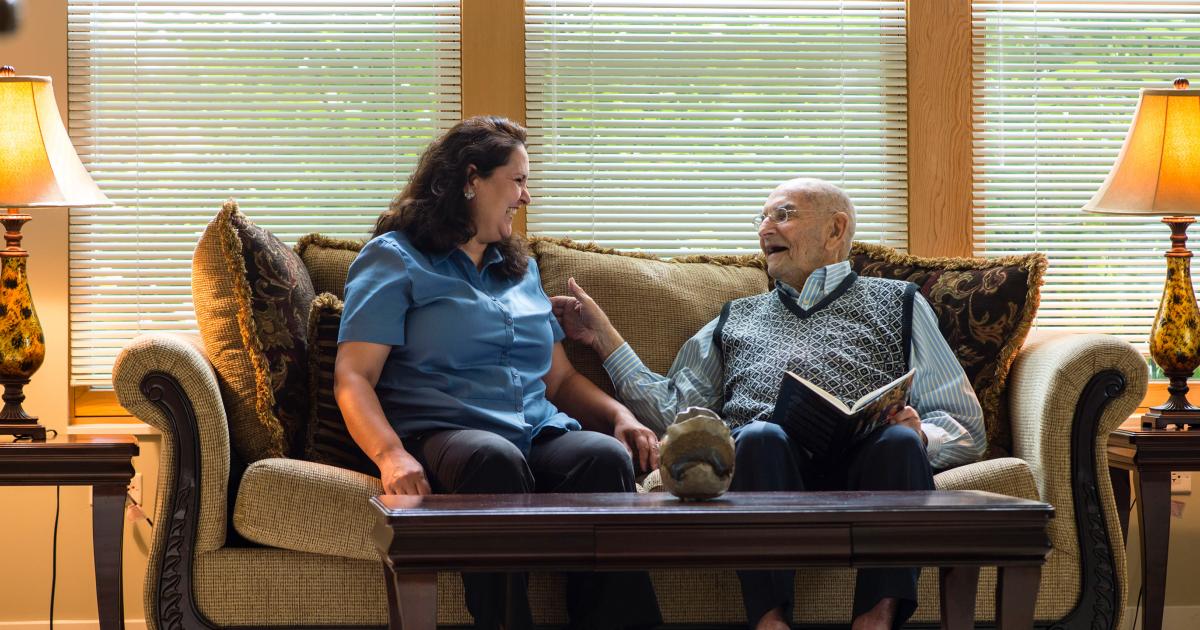
Choosing between independent living and assisted living can feel confusing for families and seniors alike. Both options offer community, safety, and support, but they are designed for very different needs and lifestyles. Understanding how they differ makes it easier to choose the right fit with confidence and clarity.
This guide explains the key differences simply and practically, focusing on daily life, care, costs, and long-term planning.
What Independent Living Really Means
Independent living is designed for seniors who are mostly self-sufficient but want the convenience of a supportive community.
Residents typically choose independent living for lifestyle reasons rather than medical needs.
Common features include:
- Private apartments or cottages
• Maintenance-free living
• Social activities and events
• Community dining options
There is no daily personal care provided, but help is usually available if an emergency arises.
What Assisted Living Is Designed For
Assisted living supports seniors who need help with everyday tasks while still encouraging independence.
Care is built into daily life respectfully and flexibly.
Support often includes:
- Help with bathing and dressing
• Medication reminders
• Mobility assistance
• Daily check-ins
Residents maintain as much independence as possible while receiving the help they need.
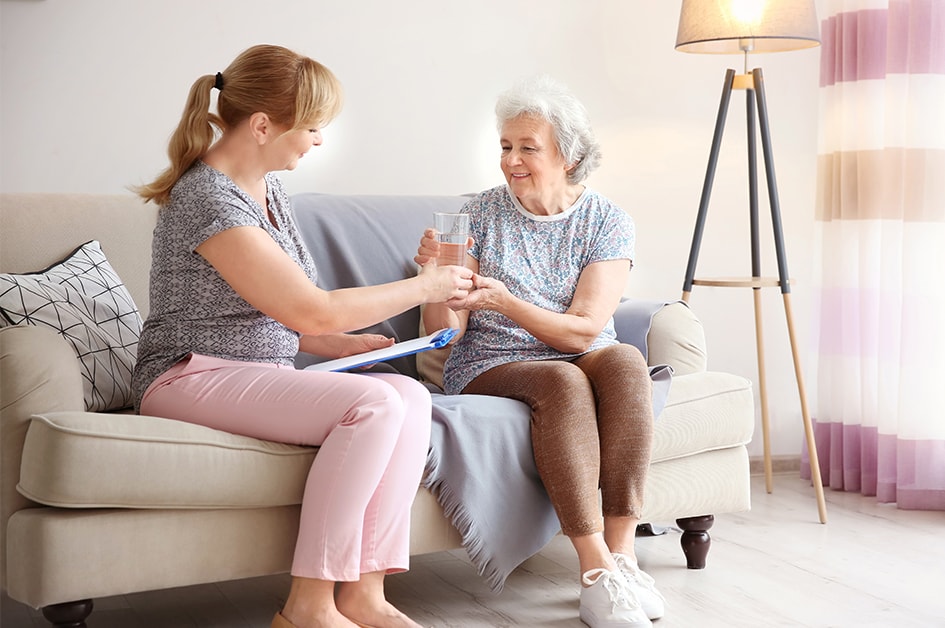
Level of Care Is the Biggest Difference
The primary difference between independent and assisted living is the level of care provided.
In independent living:
- Residents manage their own daily routines
• No hands-on personal care is included
• Medical support is not part of daily services
In assisted living:
- Staff provide daily personal assistance
• Care plans are customized
• Health needs are monitored regularly
Understanding current and future care needs is essential when choosing between the two.
Daily Life and Routines
Daily life looks different in each setting, even though both emphasize comfort and engagement.
Independent living focuses on freedom and choice:
- Residents set their own schedules
• Activities are optional
• Meals may be flexible
Assisted living offers more structure:
- Daily routines include care support
• Staff are involved throughout the day
• Schedules may be more consistent
Both environments aim to create a sense of home, but the structure level varies.
Social Engagement and Community
Social connection is a key benefit of both options, but the approach differs slightly.
Independent living communities often offer:
- Clubs and interest groups
• Fitness classes
• Day trips and events
Assisted living communities also provide activities, but with added support:
- Smaller group activities
• Staff assisted participation
• Programs adapted to physical or cognitive needs
The goal in both cases is to reduce isolation and encourage connection.
Dining and Nutrition Support
Dining is an important part of daily life and well being.
In independent living:
- Meals may be optional or scheduled
• Residents may cook in their own space
• Dining feels restaurant style
In assisted living:
- Meals are usually included
• Dietary needs are monitored
• Assistance is available if needed
Nutrition support is more hands on in assisted living.
Safety and Supervision
Safety is addressed differently depending on care needs.
Independent living typically includes:
- Secure buildings
• Emergency call systems
• Staff on site for support
Assisted living adds:
- Regular safety checks
• Supervised environments
• Faster response to health concerns
Families often consider assisted living when safety becomes a concern.
Cost Differences to Be Aware Of
Cost is another major difference between the two options.
Independent living costs usually cover:
- Housing
• Utilities
• Amenities and activities
Assisted living costs include:
- Housing and meals
• Personal care services
• Ongoing health support
Assisted living is generally more expensive due to the added care and staffing.
Flexibility as Needs Change
Planning for the future is an important part of the decision.
Independent living may be ideal now, but:
- Health needs can change
• Additional support may be required later
Some families explore providers like Eclipse Senior Living to better understand how different care levels work and how communities support transitions when needs evolve.
Choosing a flexible option can reduce stress later.
Family Involvement and Peace of Mind
Family involvement looks different depending on the care setting.
With independent living:
- Families offer support as needed
• Residents manage most decisions
With assisted living:
- Families often partner with care staff
• Regular communication is common
Assisted living can provide added peace of mind for families concerned about daily safety and health.
How to Decide What Is Right
There is no universal answer. The right choice depends on the individual.
Questions to consider include:
- Can daily tasks be managed safely
• Is medication management needed
• Does social support feel sufficient
• Are future health changes likely
Honest conversations help families align on the best path forward.
Questions People Commonly Ask
1. Can someone move from independent to assisted living later
Yes, many seniors transition when their care needs increase.
2. Does assisted living mean losing independence
No, it supports independence while providing help where needed.
3. Are activities limited in assisted living
No, activities are adapted to ability and comfort.
4. Is independent living only for very active seniors
It is best suited for seniors who do not need daily care.
5. How involved are families in assisted living
Families often stay closely involved and informed.
Final Thoughts to Keep in Mind
Independent living and assisted living both offer valuable benefits, but they serve different purposes. Independent living focuses on lifestyle, freedom, and community, while assisted living adds daily care and support for evolving needs.
Understanding these differences helps families make thoughtful decisions that support safety, dignity, and quality of life. With the right choice, senior living can be a positive and supportive chapter built around comfort, connection, and care.